The
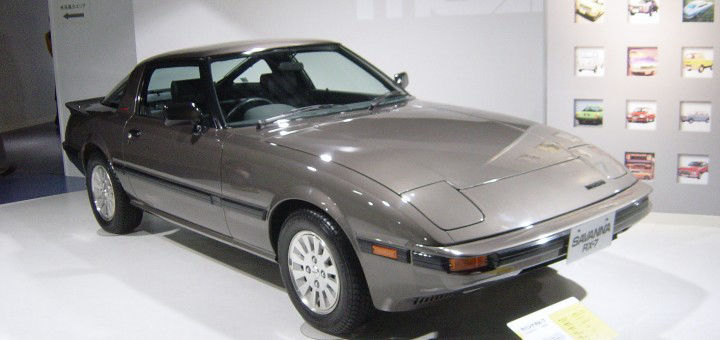
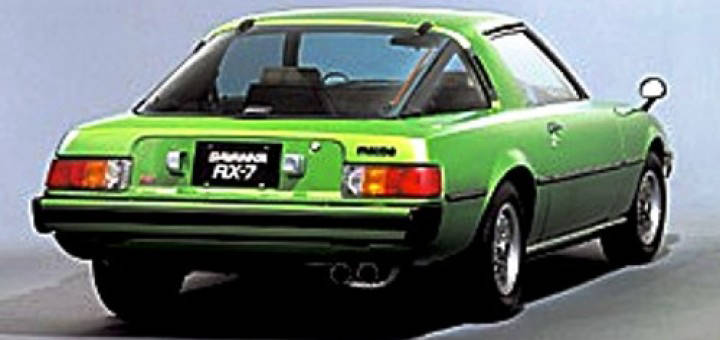
Mazda RX7 Turbo
The Mazda
RX7 Rotary (Non-Turbo) first gained prominence on the race tracks of
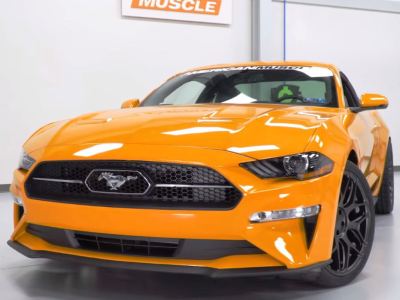
Australia driven by Alan Moffatt, a Canadian most feared by
his competition when driving a Ford Mustang or an Australian
Falcon.
|

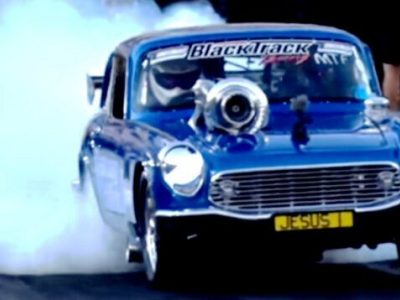
The turbocharged rotary engine is popular in
dedicated drag cars as well. |
The History and
Technology of the Rotary Engine
Mazda has
always stayed in touch with its buyers and has been a leader in
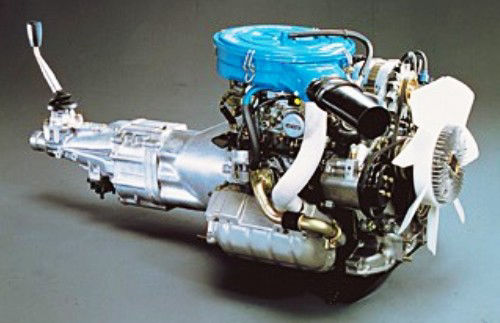
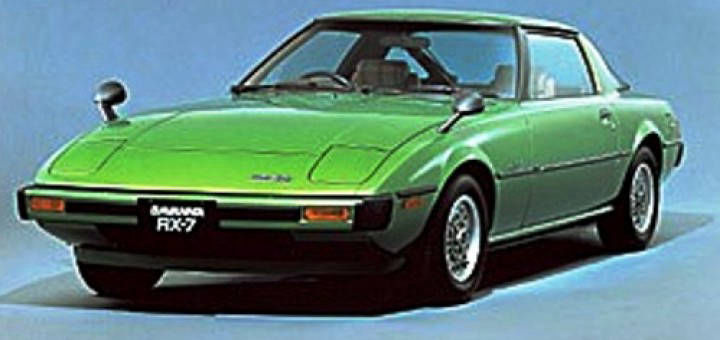
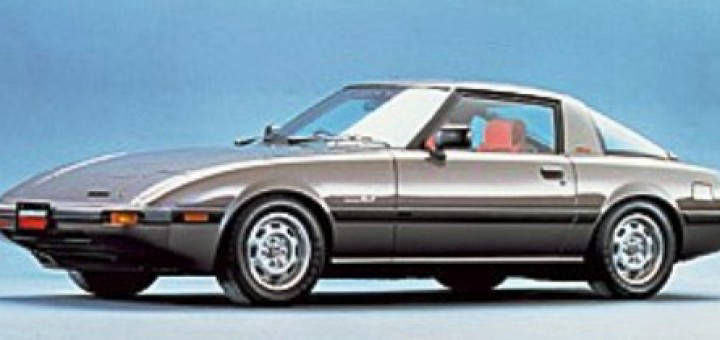
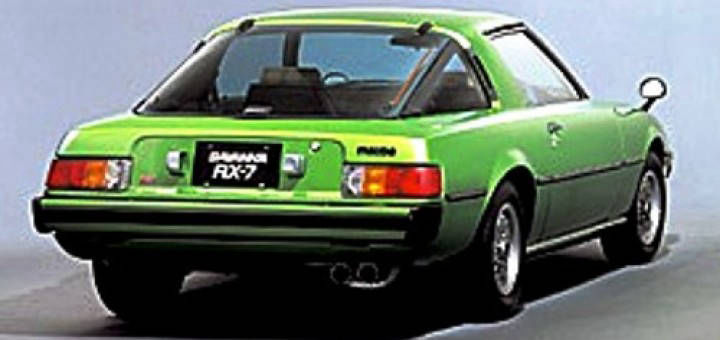
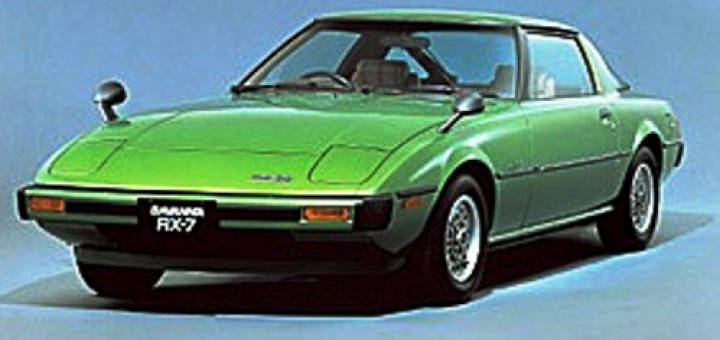
innovation. In 1978 the first generation 12A powered RX-7 took
the world by storm, exceeding production expectations and
causing traffic jams at the dealerships. The rotary engine had
found its true home and Mazda had found the heart of the sports
car lover. The RX-7 achieved immediate success with "Car of the
Year" awards across the globe and major racing victories at
events such as SPA and Daytona. The RX-7 made its own name on
the Australian circuit with victory in the Australian touring
car championships of 1983 and 84. A 2nd outright at the 1983
Bathurst 1000 during the height of the V8 era proved just how
formidable the rotary could be, giving cause to the many
traditional racers changing their V8 cars for rotary power. |
|
|
|
|
|
|

|
10A RE |
|
|
|
The History and
Technology of the Rotary Engine
Ever since the first
shipment of (10A) R-100 coupes back in 1969, Australian enthusiasts have
been in love with this remarkable engine and the cars they have powered.
The (12A) RX-2 achieved a 'giant killer' reputation at a time when the
V8 was unchallenged on Australian roads. The (12A) RX-3 followed,
proving very popular both on and off the race track. One of many racing
at that time caused more than a worried look after placing fifth
outright in the 1975 Bathurst 1000. A new level of refinement was
created with the (13B) RX-4 and virtually no other car could match its
performance and luxury package at the same price. In 1976, the (13B)
RX-5 gave Australians an even newer level of luxury in a coupe with
performance to match its looks.

|
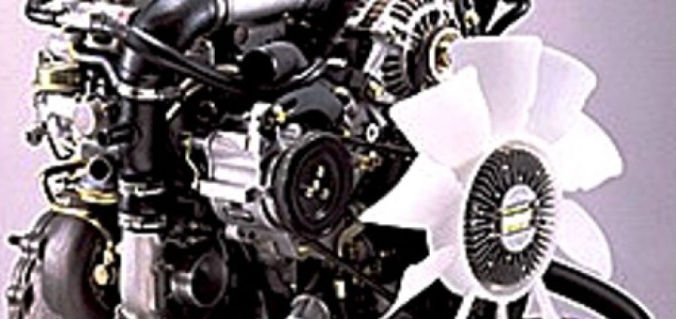
12A RE |
 |
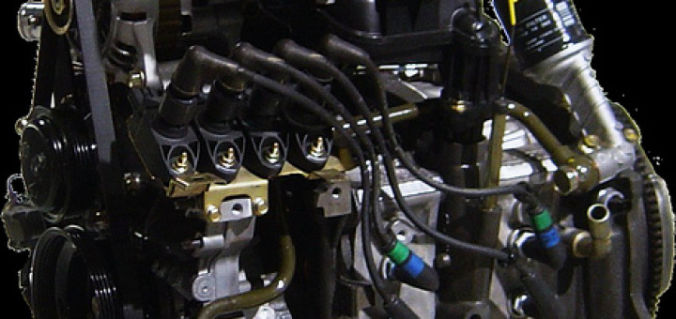
13B RE |
|
A new fuel injected
6 port version of the race proven 13B rotary became standard
equipment for the second generation or series IV RX-7 of 1986.
Moving up market to become a more civilised sports car, the 13B
rotary was given a turbo option boasting 137 kW by employing a
newly developed twin scroll turbocharger to take full advantage
of the engine's strong exhaust pulsing. The turbo was obviously
the production 'rocket' factory had intended it to be and was
now competing against the established marquees on the world
market. The RX-7 was voted "The sports car to own for the
everyday driver" by much of the world's motoring press. Refining
an already excellent product, the 1989 RX-7 kept Mazda ahead of
the pack of ever emerging sports cars. With 146 Kw on tap from
the totally re-developed 13B turbo engine, RX-7 sales again
surged ahead of the field. Notable publicity from local Mazda
racer Gary Waldon winning numerous production car titles
fulfilled the 'win on Sunday sell on Monday' cliche.
|
|
|
|
 |
|
 |
|
13B-DEI |
|
13B-Turbo |
|
|
|
|
| In 1991 Mazda
achieved arguably the ultimate accolade for the rotary engine,
victory at the Le Mans 24 Hour. It was a first for a Japanese
car manufacturer and a first for the rotary engine. The Mazda
787B prototype sports car took on the world's best for 24
grueling hours to finish all three entered cars in 1st, 6th and
8th position. Producing over 700 hp the R26B quad rotor engine
was peripherally ported and incorporated steeples variable
induction plus three plugs per rotor (instead of the usual two).
It is through the
severity of racing in events such as these that the current
generation rotary engine has evolved.
|

|
|
787B Sports
Racer |
| When designing
the third generation RX-7,Mazda's engineers knew what they
wanted - a no compromise sports car that could take on the world
and win. To achieve this the world's best engine had to be made
better. A 20 per cent jump in power from the series V RX-7
engine to 176 kW with a weight reduction to 1310 kg had the new
series VI RX-7 establish itself as the up market leader. The
world's best selling sports car had now become the best 'value
for money' sports car. Mazda chose to race the RX-7 from 1992
until 1995 under production car rules winning the prestigious
Bathurst 12 hour endurance race each time whilst toppling big
buck challenges from various Porsche models and other marquees.
Recently a demonstration of the RX-7's rotary power and
amazingly smooth aerodynamics where shown when a three rotor 13G
powered version tamed the 1000 hp under its bonnet to set a new
class speed record of just under 400kmh on the salt flats of
Utah U.S.A.
The twin turbo 13B
engine in the series VII version RX-7 was then improved yet
again. With power output now standing at 194 kW, it gave
unprecedented performance coupled with the ultra smooth power
delivery that makes the rotary engine legendary. Mazda wouldn't
have it any other way. |

|
|
Mazda RX-7 |
Today's Rotary
Engine
|
| The 13B REW
twin-rotor engine fitted to all third generation RX-7s can trace
its origins to 1974 when Australians first drove the RX-4.
A lot has
changed through the years of development. As fitted to the 1974
RX-4, the carbureted 13B produced 95Kw @6500 rpm and 174 Nm of
torque @4000 rpm. Later versions employed a unique sequential
twin turbo system to produce 176 Kw at 6500 rpm and 300 Nm of
torque @ 5000 rpm. Torque output was increased throughout the
rev range with as much as 255Nm available at a low 2000 rpm.
Maximum RPM was been raised to 8000 and the rotor's compression
ratio of 9.0:1 necessitated premium grade unleaded petrol.
The engine
inherited the basic 13B geometry and epitrochoidal dimensions of
654 cc for each of its two rotors. However in 13B REW
configuration, many of the rotary's major mechanical and
electronic systems received extensive modification. Among the
many internal upgrades were a thin wall cast-iron rotor with
fully machined combustion recesses to ensure uniform combustion.
Apex seal slots were hardened to resist wear. Modifications have
also been made to the aluminium rotor housing around the "hot
spot" spark plug area for more coolant flow. The engine's
induction, exhaust, cooling and lubrication were modified or
redesigned when compared to the series V RX-7 engine.
Cooling and
lubrication are vitally important to an engine producing the
power the 13B REW. Both rotors are kept cool by splashing them
internally with oil. Internal lubrication is via an
electronically controlled metering system that reduces oil
consumption by 25-50 per cent compared to the previous method of
supply to the intake and trochoid chamber combined.
Lubrication is
fed under high pressure to the eccentric shaft bearings via a
high-efficiency multi port rotary pump. The heated oil is then
sent through two oil-coolers (one in each of the nose vents )
before being re-used. A lightweight aluminium and plastic
radiator, fully shrouded and slanted sharply to lower the RX-7's
nose was fitted up front. Maintaining the correct temperature is
a pair of three stage thermo fans and keeping the flow is a
lightweight aluminium water pump.
The fire in the
new 13B REW was supplied by the world's first volume-production
sequential twin turbocharger system. It produced more power than
a conventional twin turbo setup where both turbos boost at once,
and suffered far less turbo lag. The advantage of the sequential
system was the ability to utilise a small and large turbo at the
same time. At low rpm the 51mm diameter turbo with its "impact"
blade design spools very quickly, providing boost from as low as
1500 rpm. At a calculated point the second 57mm diameter turbo
is switched on, giving full boost all the way to the 8000 rpm
redline.
|
|
|
|

|
|
13B-REW |
|
|
|
|
| A major
downfall of other sequential twin turbo systems is the
transition from single to double operation. This is due to the
second turbo not spinning fast enough when its called on,
resulting in the engine "coughing" momentarily.
Mazda solved
this problem by spooling the second turbo to a pre-boost speed
of around 100,000 rpm with exhaust gas circulation. When the
time comes for the second turbo to cut in, a by-pass valve is
shut to "surge" the compressor, spinning it to over 140,000 rpm.
This then assures a smooth coupling with the primary turbo. Once
at the required speed, it receives a full share of exhaust flow
to add its boost with the primary turbo.
The twin turbo
chargers are fitted to a "dynamic pressure" cast iron exhaust
manifold shaped to minimise the gap between the exhaust ports
and the intake of the turbos, improving boost by as much as 35
per cent. The 13B-REW was fitted standard with an air-to-air
intercooler mounted above the radiator with separate ducting.
The ECU
controlled fuel injection system uses air density measurement
instead of the common air flow metering to allow a smoother air
flow and more precise fuel management. Coupled with the precise
shape of the plenum chamber and inlet tract length, the added
benefit of the increased power and throttle response is the
additional improvement in fuel consumption for the city/highway
cycle.
Two injectors
per rotor look after the varied engine loads. The primary
injector takes fuel from the side of the injector body instead
of the top. The resulting reduction in fuel travel through the
injector body gives a quicker and more precise engine re-start
after high speed/load applications. The secondary injector is
mounted upstream of the inlet tract operating during mid and
high rpm. Change over to twin injector operation takes place
around 2,750 rpm or lower if the load commands it.
Ignition timing
of the four platinum tipped spark plugs (two per rotor) is
controlled via the ECU which will automatically retard timing if
detonation is detected. Light weight high energy coils are
utilised to take advantage of the rotary's unique combustion
characteristics.
Ensuring the
emissions are lower than required, the use of a two stage
catalyst system were the main three way converter gives the
lowest flow resistance available. A single muffler is used for
noise reduction and the whole system weighs considerably less
compared to the series V RX-7. |
RENESIS - The
Future of the Rotary Engine
|
| At the Tokyo
Motor Show in October 1999 Mazda Motor Corporation unveiled the
RX-Evolv, a concept vehicle which later evolved into the RX-8
four door, four seat sports car which was unveiled in January
2001 at the North American International Auto Show (NAIAS) in
Detroit and then into the production model that appeared at the
October 2001 Tokyo Motor Show.
Both the Evolv and
the RX-8 had many things in common, not the least of which was
the latest version of the rotary engine called "RENESIS."
The RX-8 with
its RENESIS rotary engine made its debut on Australian roads in
August 2003.
The
naturally-aspirated engine revs eagerly to extremely high engine
speeds while producing racecar-like power and performance. "RENESIS"
stands for "The RE (Rotary Engine)'s GENESIS", or the rotary
engine for the new millennium.
The RENESIS
engine is improved from the 13B rotary engine used in the RX-7.
Refinements include positioning the exhaust and intake ports on
the side housing, separate from the rotor housing. This reduces
overlap between the opening of the intake and exhaust ports,
stabilizing combustion. At the same time, it enables the intake
port to be enlarged, increasing engine rotational speeds and
power output to levels never-before achieved with a naturally
aspirated production rotary engine. Other refinements, including
thinner, lightweight rotors, thicker eccentric shaft, and a
three-port, three-stage variable intake system, contribute to
the engine's maximum power output of 177kW at 8,200 rpm, maximum
torque of 211Nm at 5,500 rpm and a 10,000 rpm redline for the 6
speed manual and a maximum power output of 141kW at 7,000 rpm,
maximum torque of 220Nm at.5,000 rpm for the activematic.
A new, compact
wet-sump oil lubrication system, making use of the unique layout
of the output shaft, and a thin oil pan contribute to the
engine's lightweight compact design, which allows the engine to
be located lower and further to the rear than ever before. For
rotary engine enthusiasts, the next exciting phase in the great
engine's history has already begun.
|
| |
1995
|
New 929 and
facelifted MPV models released. 12 hour endurance race moved to
Eastern Creek and RX-7 again wins, beating Porsche.

|
1994
|
Eunos 800 with
unique Miller Cycle engine, new 323 range including Astina Hatch
and Hardtop and Protegé released. RX-7 again beats Porsche in 12
Hour race at Bathurst.

|
1993
|
RX-7 wins 12 hour
endurance race at Bathurst beating arch-rival Porsche. MPV
"people mover" with 3.0 litre V6 engine, and facelifted MX-5
with 1.8 litre engine released.

|
1992
|
New twin turbo RX7
released and wins 12 hour endurance race at Bathurst. V6 626
Sedan added to the range. Eunos division and stand alone dealer
network launched and offers Eunos 500 and 30X models. 500 is 2.0
litre V6 Sedan and 30X 1.8 litre V6 sports coupe. Jack High
recommences and is telecast on national Nine Network. 250,000th
MX-5 built.

|
1987
|
New 121 series
Hatchback, B2600 series utilities and pick-up, 929 3 litre V6
Sedan and Hardtop, 626 and MX-6 Turbo Coupe and RX-7 Convertible
released. Mazda Australia begins component export programme with
shipment of Ballarat-made Timken bearings to Japan.

|
1978
|
The 300,000th Mazda
imported to Australia, a new RX-7 rotary.
 |
The distinctive note of
the Mazda rotary engine has been heard along pitlanes as far afield as
Daytona, Nurburgring and Mount Panorama. This compact, light but
powerful engine has proven to ideally suited to the high-stress
environment of track and road racing.
However, Mazda has also tasted success with other models, with its 4WD
323 winning the Australian Rally Championship in the late 1980s.
Targa Tasmania 2002
Mazda's rotary engine technology was again in the spotlight with an RX-7
SP tackling the gruelling Targa Tasmania 2002 rally.
The RX-7 SP, which competed in Targa with exotic cars from around the
world including the latest generation Porsche turbos, was the same car
that won the 1995 Eastern Creek 12 Hour production car race.
An all-new generation rotary engine, dubbed RENESIS, will power the new
four-seat RX-8. The new RENESIS engine, which will meet the world's
toughest emission standards, develops 184kW at 8500rpm and 220Nm at
7500rpm.
|

|
Model |
Yr
|
Ident |
0-100
Sec |
400M
Sec |
Wht |
Pwr |
Engine |
Cyl's/
CC's |
|
|
|
|
|
|
|
|
|
|
|
|
|
|
|
|
|
|
|
|
|
RX7 |
|
S
IV |
7.7 |
15.4 |
|
132 |
13B |
C2X654 |
|
RX7 |
|
S
V |
6.9 |
14.9 |
1324 |
146 |
13B |
C2X654 |
|
|
 |
|
|
|
 |